
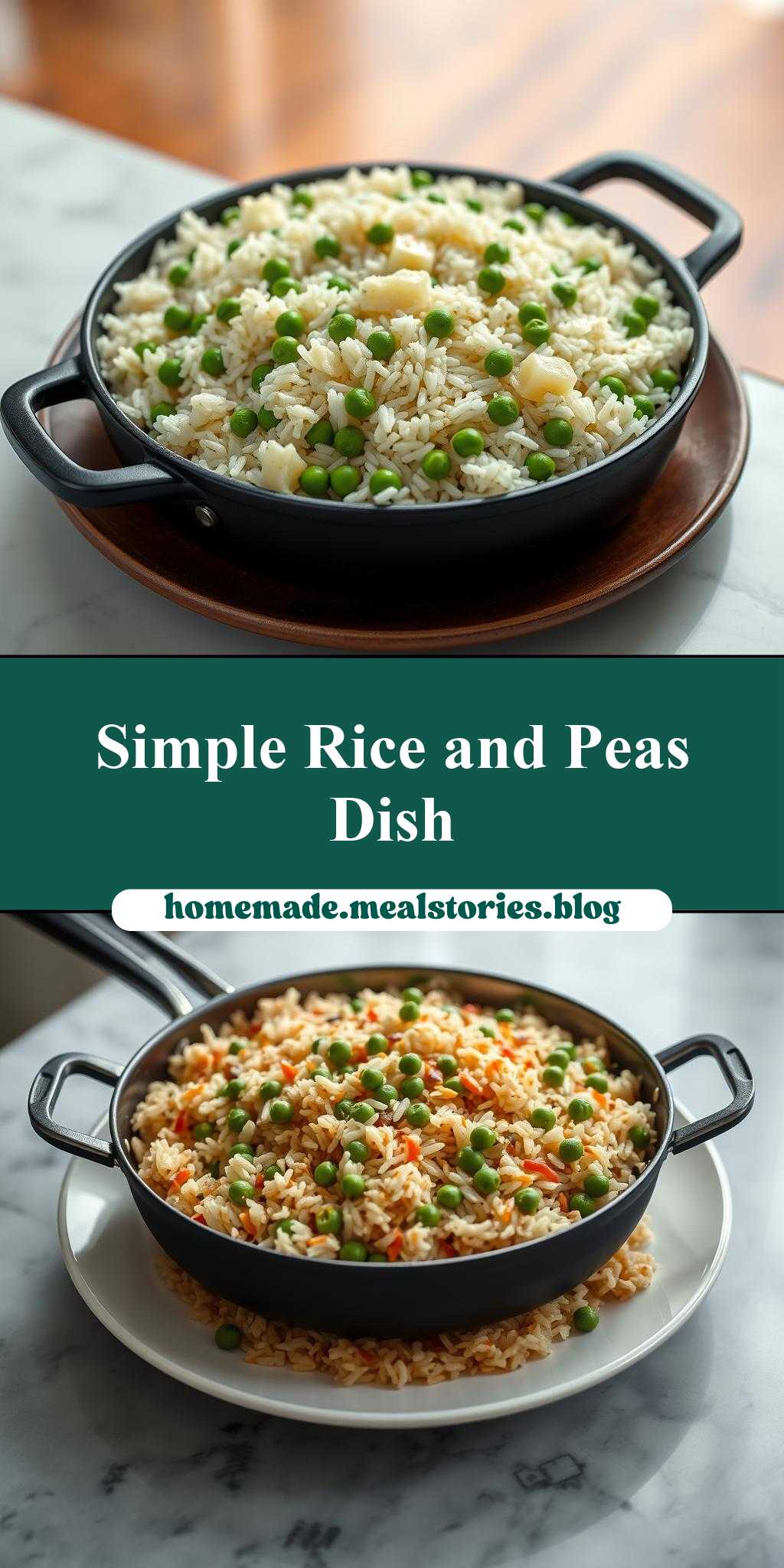
What makes a simple rice and pea dish so satisfying? Its a blend of fluffy homemade rice, tender peas and a pinch of love, perfect for a quick weeknight dinner. Save this idea for your next easy family favorite meal to try soon
a pan filled with rice and peas on top of a table
Introduction
Imagine a dish so simple, yet so satisfying, that it becomes a staple in your household. A pan filled with rice and peas on top of a table is more than just a meal; it’s an experience that combines ease, flavor, and creativity using everyday ingredients. This recipe is perfect for a weeknight dinner or a weekend lunch, requiring minimal effort but yielding impressive results. The beauty of this dish lies in its versatility and the opportunity to get creative with your ingredients and presentation.
Why This Works
- Flavor balance and ingredient accessibility: The combination of rice and peas offers a perfect balance of carbohydrates and proteins, making it a nutritious and filling meal. The ingredients are easily accessible in most supermarkets, making it convenient to prepare.
- Ease of preparation: This dish requires minimal preparation time, as it involves basic cooking techniques such as boiling and mixing. The steps are straightforward, and the ingredients are simple to work with.
- Impressive results with minimal effort: Despite its simplicity, the presentation of a pan filled with rice and peas can be quite impressive, especially when garnished with fresh herbs or served with a side of your favorite sauce or vegetables.
Key Ingredients
The main ingredients for this recipe include rice, peas, water or broth, salt, and any desired additional seasonings or ingredients for added flavor. For the rice, you can use any type you prefer, though white or brown rice are the most common choices. Peas can be fresh or frozen; if using frozen, simply thaw them before use. Practical substitutions include using different types of rice, such as jasmine or basmati, for varying flavors, or adding other vegetables like carrots or onions to the peas for extra nutrition and flavor.
Instructions
- Step 1: Begin by preparing your ingredients. Rinse the rice thoroughly and measure out the appropriate amount of water or broth. If using fresh peas, shell them. If adding other vegetables, chop them into suitable sizes.
- Step 2: Cook the rice according to the package instructions. Typically, this involves boiling the water, adding the rice, reducing the heat to low, covering the pan, and letting it simmer until the water is absorbed and the rice is tender.
- Step 3: While the rice is cooking, prepare the peas. If they are frozen, simply thaw them. If they are fresh, you can boil them briefly until they are tender but still crisp. Season the peas with salt and any other desired seasonings.
- Step 4: Once the rice is cooked, fluff it with a fork to separate the grains. Then, mix in the peas. If you’ve added other vegetables, you can mix them in at this stage as well. Taste and adjust the seasoning as needed. Finally, transfer the rice and pea mixture to a serving pan and garnish with fresh herbs or your choice of toppings.
Handy Tips
- For better flavor, use broth instead of water to cook the rice. You can also add a teaspoon of olive oil to the rice while it cooks to enhance the flavor and texture.
- To avoid overcooking the peas, cook them until they are just tender. Overcooking can make them mushy and unappetizing.
- Consider adding a squeeze of fresh lemon juice over the rice and peas for a burst of citrus flavor.
Heat Control
When cooking the rice and peas, it’s essential to control the heat to achieve the perfect doneness. For rice, once the water boils, reduce the heat to low to prevent the water from boiling over and to ensure the rice cooks evenly. For peas, brief boiling or steaming is recommended to retain their color and texture. The ideal temperature for cooking rice is between 165°F and 180°F, while peas should be cooked briefly, just until they are tender, to preserve their nutrients and crunch.
Crunch Factor
The crunch factor in this dish primarily comes from the peas and any additional vegetables you might add. To achieve the perfect crunch, cook the peas until they are just tender. Overcooking can make them soft and mushy. If you’re adding other vegetables like carrots or bell peppers, cook them until they are tender but still crisp. This texture contrast between the soft rice and crunchy vegetables enhances the overall dining experience.
Pro Kitchen Tricks
- To make the dish more flavorful, sauté the peas and any additional vegetables in a bit of butter or olive oil before mixing them with the rice. This step adds a richness and depth of flavor to the dish.
- For a shortcut, use pre-cooked rice or microwaveable peas to reduce preparation time. However, be mindful that these options might affect the texture and flavor slightly.
- Cleanup is made easier by using a non-stick pan for cooking the rice and a steamer basket for the peas, reducing the risk of sticking and making washing up simpler.
Storage Tips
- Leftover rice and peas can be stored in the refrigerator for up to 3 days. It’s best to store them in separate containers to prevent the peas from making the rice soggy.
- For reheating, add a bit of water to the rice to prevent it from drying out, and heat it over low heat, stirring frequently. Peas can be reheated quickly in the microwave or on the stovetop with a bit of water.
- The shelf life can be extended by freezing the cooked rice and peas. Frozen, they can last for up to 3 months. When reheating from frozen, make sure they are heated through to a safe internal temperature to prevent foodborne illness.
Gift Packaging Ideas
While a pan of rice and peas might not be the first thing that comes to mind as a gift, it can be beautifully presented and shared with others. Consider packaging it in a decorative container or bowl, garnished with fresh herbs and accompanied by a side of your favorite sauce or bread. For a more portable gift, portion the rice and peas into individual servings, place them in microwaveable containers, and add a packet of seasonings or a small bread roll on the side.
Flavor Variations
- Different spices: Add a pinch of cumin for a smoky flavor, paprika for a bit of sweetness, or chili flakes for a spicy kick.
- Creative toppings: Grated cheese, diced onions, chopped hard-boiled eggs, or a dollop of sour cream can add flavor and texture.
- Ingredient swaps: Use quinoa instead of rice for a protein boost, or try different types of peas like snow peas or black-eyed peas for varying flavors and textures.
Troubleshooting
- Texture problems: If the rice is too mushy, it was overcooked. If the peas are too hard, they were undercooked. Adjust cooking times accordingly in future preparations.
- Ingredient replacements: If you’re out of peas, consider substituting with other quick-cooking vegetables like green beans or corn kernels.
- Over/undercooking signs: Rice should be fluffy and separate when cooked correctly. Peas should be tender but still crisp. Adjust your cooking technique based on the results.
FAQs
- Can I freeze it? Yes, cooked rice and peas can be frozen for up to 3 months. Reheat them to an internal temperature of at least 165°F to ensure food safety.
- Is it gluten-free? Yes, this recipe is naturally gluten-free, making it suitable for individuals with gluten intolerance or sensitivity.
- Can I double the recipe? Absolutely, this recipe can be easily doubled or tripled to feed a larger crowd. Just ensure you have a large enough pan to cook the rice and peas adequately.
Conclusion
In conclusion, a pan filled with rice and peas on top of a table is a versatile, flavorful, and nutritious meal that can be customized to suit any taste. With its ease of preparation, impressive results, and numerous variations, it’s a recipe that will become a staple in your kitchen. Feel free to experiment with different ingredients, seasonings, and presentation styles to make it your own. Whether you’re cooking for one or a family, this dish is sure to please, and its simplicity makes it an excellent choice for beginners and experienced cooks alike. So, go ahead, get creative, and enjoy the journey of cooking and sharing this delightful meal with others.
a pan filled with rice and peas on top of a table
A simple yet satisfying dish combining rice and peas, perfect for any meal with minimal effort and impressive results.
🥘 Ingredients
👩🍳 Instructions
-
1Rinse the rice and measure out the water or broth.
-
2Cook the rice according to the package instructions.
-
3Prepare the peas by thawing if frozen, or briefly boiling if fresh.
-
4Mix the cooked rice and peas together, season with salt, and add any desired additional ingredients or seasonings.