
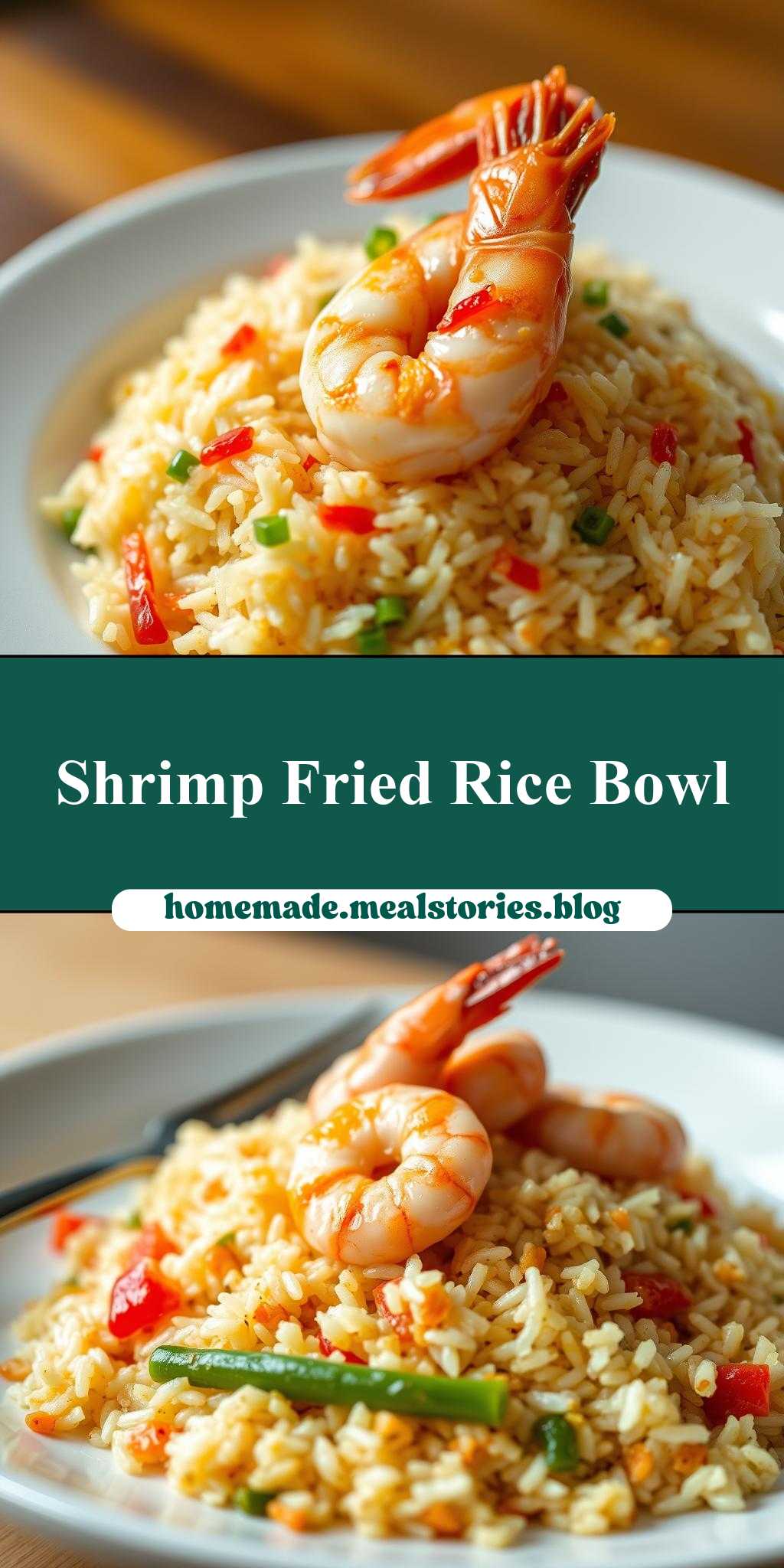
What makes a perfect weeknight dinner in your household? For me, it’s a homemade dish like this easy rice with shrimp, loaded with succulent shrimp and fluffy rice. This quick family favorite recipe is a staple in our home, made with simple ingredients like garlic and sautéed onions. Save this idea for a delicious homemade meal that’s ready in no time, try it soon and enjoy the flavors of a perfectly cooked meal.
Rice with Shrimp
Introduction
Rice with shrimp is a dish that embodies the perfect blend of simplicity, flavor, and creativity, making it an ideal choice for both novice and experienced cooks. This recipe stands out for its use of everyday ingredients, which are easily accessible and affordable, allowing anyone to create a gourmet meal without the fuss. The combination of succulent shrimp, flavorful spices, and aromatic rice results in a dish that is both satisfying and visually appealing. Whether you’re looking for a quick weeknight dinner or a show-stopping meal for a special occasion, rice with shrimp is an excellent choice. Its versatility and ease of preparation make it a staple in many cuisines around the world.
Why This Works
- Flavor balance and ingredient accessibility: The recipe achieves a perfect balance of flavors through the combination of spices, herbs, and the natural sweetness of the shrimp and rice. All the ingredients are easily found in most supermarkets, making it accessible to everyone.
- Ease of preparation: The steps involved in preparing rice with shrimp are straightforward and simple, requiring minimal cooking skills. This makes it an excellent option for beginners or those looking for a quick meal solution.
- Impressive results with minimal effort: Despite its simplicity, the dish presents well and tastes fantastic, making it perfect for entertaining guests or special occasions without requiring hours of preparation.
Key Ingredients
The main ingredients for this recipe include shrimp, uncooked white or brown rice, olive oil, onion, garlic, salt, pepper, and any desired additional spices or herbs for extra flavor. The shrimp can be fresh or frozen, thawed before use, and the rice can be substituted with other varieties like basmati or jasmine for different flavor profiles. For added depth, ingredients like diced bell peppers, mushrooms, or chopped fresh parsley can be included. Practical substitutions can be made based on dietary preferences or ingredient availability, such as using vegetable oil instead of olive oil or adding other proteins like chicken for variety.
Instructions
- Step 1: Begin by preparing your ingredients. Peel and de-vein the shrimp, chop the onion and garlic, and measure out the rice and spices. This step is crucial for ensuring that the cooking process is smooth and efficient.
- Step 2: Cook the rice according to the package instructions. Typically, rice is cooked in a 2:1 ratio with water, brought to a boil, then reduced to a simmer and covered until the water is absorbed and the rice is tender. While the rice is cooking, heat the olive oil in a large skillet over medium-high heat.
- Step 3: Add the chopped onion and garlic to the skillet and sauté until they are translucent and fragrant. Then, add the shrimp and cook until they turn pink and are fully cooked, about 2-3 minutes per side. Remove the shrimp from the skillet and set them aside. If using additional ingredients like bell peppers or mushrooms, add them to the skillet and cook until they are tender.
- Step 4: Once the rice is cooked and the shrimp and vegetables are prepared, it’s time to combine everything. Fluff the cooked rice with a fork and add it to the skillet with the vegetables, shrimp, and any desired spices or herbs. Stir everything together to combine, ensuring the rice is well coated with the flavors from the skillet. Serve hot, garnished with fresh herbs if desired.
Handy Tips
- When cooking shrimp, it’s essential to not overcook them, as they can become tough and rubbery. Cook until they just turn pink to ensure they remain succulent and tender.
- For extra flavor, use chicken or vegetable broth instead of water to cook the rice. This adds a depth of flavor that complements the shrimp and spices nicely.
- Experiment with different spices and herbs to give the dish your own unique twist. For example, a sprinkle of paprika can add a smoky flavor, while chopped fresh dill can provide a bright, fresh taste.
Heat Control
Heat control is crucial when cooking rice with shrimp. For the rice, it’s important to bring the water to a boil, then immediately reduce the heat to a simmer to prevent the rice from cooking too quickly or burning. For the shrimp and vegetables, medium-high heat is ideal for achieving a nice sear and cooking them through without overcooking. The key is to cook the shrimp until they just turn pink and are fully opaque, which usually takes about 2-3 minutes per side, depending on their size.
Crunch Factor
The desired texture for rice with shrimp is typically tender and slightly fluffy for the rice, and succulent but firm for the shrimp. To achieve this, ensure that the rice is not overcooked, and the shrimp are not overcooked either. Adding some crunchy elements like toasted nuts or seeds can provide a pleasant textural contrast to the dish. If including vegetables like bell peppers or carrots, cooking them until they are tender but still crisp can add a nice crunch factor.
Pro Kitchen Tricks
- Marinating the shrimp in a mixture of olive oil, lemon juice, and spices before cooking can enhance their flavor and texture significantly.
- Using a mixture of cooked and raw ingredients can add depth to the dish. For example, sautéing some onions and garlic, then adding in raw chopped herbs towards the end of cooking can preserve their freshness and flavor.
- For cleanup, lining the skillet with a small amount of aluminum foil before cooking can make removing the cooked shrimp and vegetables easier and reduce scrubbing time.
Storage Tips
- Leftover rice with shrimp can be stored in an airtight container in the refrigerator for up to 3 days. Reheat gently in the microwave or on the stovetop, adding a little water if the rice seems dry.
- For longer storage, the dish can be frozen. However, it’s best to freeze the components separately (rice, shrimp, and vegetables) to preserve their textures. When reheating, combine the thawed components and add any fresh herbs or spices for flavor.
- The best containers for storing rice with shrimp are airtight, microwave-safe containers to prevent moisture and other flavors from affecting the dish.
Gift Packaging Ideas
Rice with shrimp can be a thoughtful and unique gift, especially when packaged nicely. Consider placing the cooked and cooled dish in decorative, airtight containers or jars, then wrapping them in a gift basket with some crusty bread, a side salad, or a bottle of wine. Adding a personal touch, such as a handwritten recipe card or a sprinkle of fresh herbs on top, can make the gift even more special.
Flavor Variations
- Different spices: Adding a pinch of cumin can give the dish a warm, earthy flavor, while a sprinkle of cayenne pepper can add a spicy kick.
- Creative toppings: Chopped nuts, diced tomatoes, or grated cheese can add interesting textures and flavors to the dish.
- Ingredient swaps: Substituting the shrimp with other proteins like chicken, tofu, or scallops can create entirely new flavor profiles and textures.
Troubleshooting
- Texture problems: If the rice is too sticky, it may have been overcooked or had too much water. If the shrimp are tough, they were likely overcooked.
- Ingredient replacements: If a particular ingredient is not available, consider substitutes that offer similar flavors or textures. For example, if shrimp is not available, chicken or tofu could be used as a protein substitute.
- Over/undercooking signs: Rice that’s undercooked will be hard and crunchy, while overcooked rice is mushy. Shrimp that are undercooked will be translucent and soft, while overcooked shrimp are opaque and firm but may be tough.
FAQs
- Can I freeze it? Yes, you can freeze rice with shrimp, but it’s best to freeze the components separately to preserve their textures.
- Is it gluten-free? This recipe is naturally gluten-free, making it a great option for those with gluten intolerance or sensitivity.
- Can I double the recipe? Yes, the recipe can be easily doubled or tripled for larger groups. Just ensure that you have a large enough skillet to cook all the ingredients evenly.
Conclusion
Rice with shrimp is a versatile and delicious dish that can be tailored to suit any taste or occasion. With its simple preparation, flavorful outcome, and numerous possibilities for variation, it’s a recipe that everyone should have in their culinary repertoire. Whether you’re a seasoned chef or a beginner in the kitchen, this dish is sure to impress. So go ahead, experiment with different spices, add your favorite vegetables, and make this recipe your own. And don’t forget to share your creations and tips with others, as the joy of cooking is often in the sharing and the community it builds.
Rice with Shrimp
A simple and flavorful dish made with shrimp, rice, and spices, perfect for any occasion.
🥘 Ingredients
👩🍳 Instructions
-
1Prepare ingredients by chopping the onion and garlic, and measuring out the rice and spices.
-
2Cook the rice according to package instructions, typically a 2:1 ratio with water, brought to a boil then simmered until the water is absorbed.
-
3Heat olive oil in a large skillet over medium-high heat, then add the chopped onion and cook until translucent.
-
4Add the garlic, shrimp, and any desired spices or vegetables to the skillet, cooking until the shrimp are pink and fully cooked, about 2-3 minutes per side.
-
5Combine the cooked rice with the shrimp and vegetable mixture, stirring to combine. Serve hot, garnished with fresh herbs if desired.