
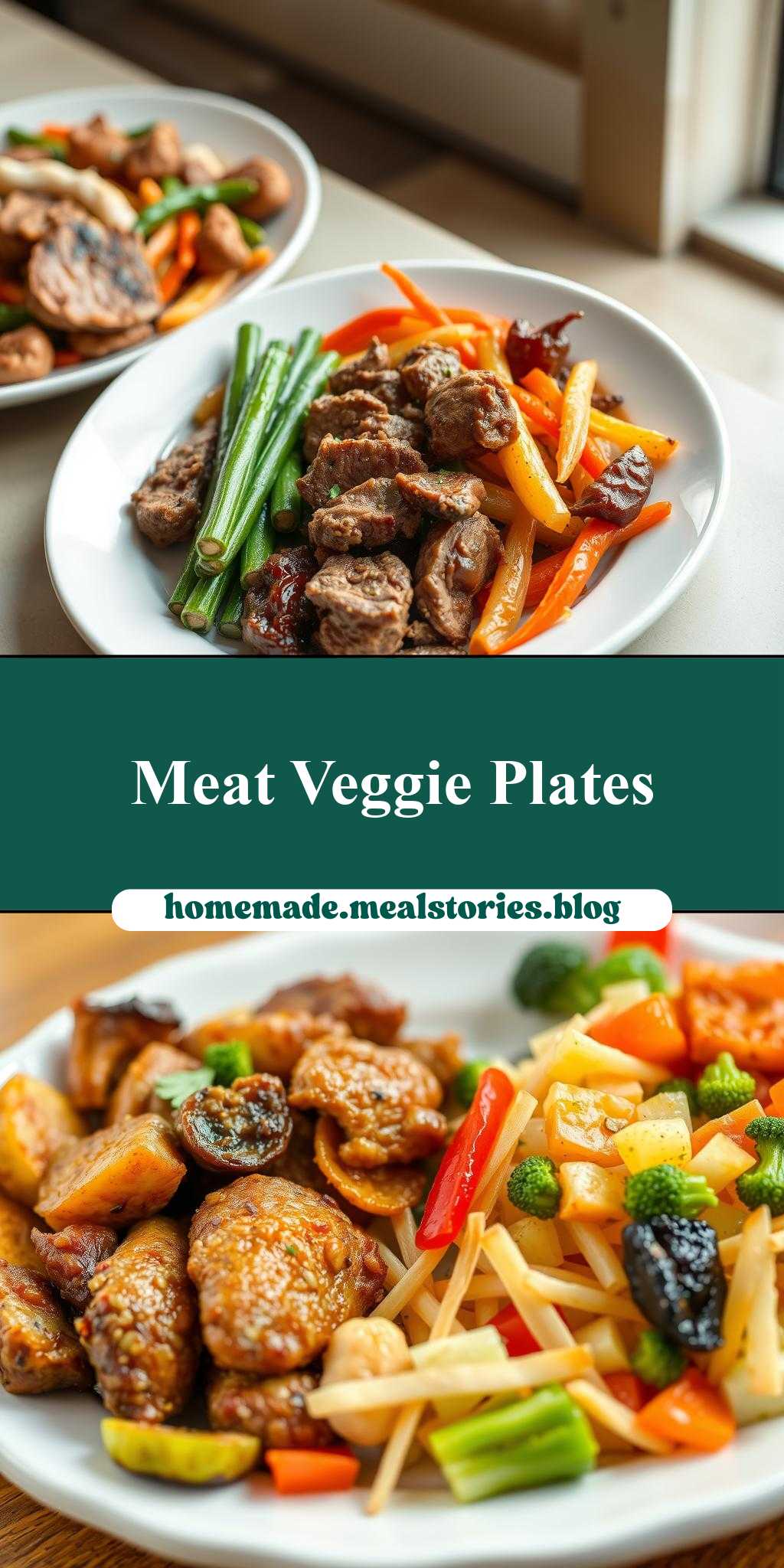
What makes the perfect weeknight dinner? A hearty homemade meal like this one, loaded with tender meat and roasted veggies, is a great place to start. With quick and easy prep, this family favorite is sure to please. Save this idea for a delicious easy dinner solution.
two plates filled with meat and veggies next to each other
Introduction
Imagine a simple yet satisfying meal that combines the richness of meat with the freshness of vegetables, all presented in a visually appealing way that elevates any dining experience. The concept of “two plates filled with meat and veggies next to each other” might seem straightforward, but it embodies the essence of flexibility and creativity in cooking. By using everyday ingredients and minimal effort, you can create a dish that not only pleases the palate but also warms the heart. This recipe article will guide you through the process of preparing a delicious and balanced meal that showcases the harmony between meat and vegetables, perfect for a quick lunch or a leisurely dinner.
Why This Works
- Flavor balance and ingredient accessibility: The beauty of this dish lies in its ability to balance flavors and utilize ingredients that are readily available in most kitchens, making it an accessible option for anyone looking to cook a satisfying meal.
- Ease of preparation: The simplicity of preparation is a significant advantage, as it requires minimal cooking techniques and can be adjusted based on personal preferences and dietary needs.
- Impressive results with minimal effort: Despite the ease of preparation, the presentation and combination of flavors yield impressive results, making it suitable for both everyday meals and special occasions.
Key Ingredients
The main ingredients for this dish include a protein source such as chicken or beef, a variety of colorful vegetables like bell peppers, carrots, and broccoli, and some basic pantry staples including olive oil, salt, and pepper. For practical substitutions, chicken can be replaced with tofu for a vegetarian option, and beef can be swapped with pork or lamb for a different flavor profile. The choice of vegetables can also be tailored to seasonal availability and personal taste, making this dish highly adaptable.
Instructions
- Step 1: Begin by preparing your ingredients. This includes chopping the vegetables into bite-sized pieces, seasoning the meat with salt, pepper, and any other desired herbs or spices, and measuring out the olive oil.
- Step 2: Cook the meat in a pan with olive oil until it is browned and cooked through. For chicken, this typically involves cooking it for about 5-6 minutes per side, while beef might require a slightly longer cooking time depending on the thickness and desired level of doneness.
- Step 3: Add the chopped vegetables to the pan and sauté them until they are tender but still crisp. This step can be done simultaneously with cooking the meat if using a large enough pan, or in succession, depending on the cooking time of the chosen protein.
- Step 4: Finally, arrange the cooked meat and vegetables on two plates, side by side, and add any final touches such as a drizzle of olive oil, a sprinkle of herbs, or a squeeze of lemon juice. The presentation is key, as the visual appeal of the dish can elevate the dining experience.
Handy Tips
- One of the most helpful kitchen advice for this dish is to not overcook the vegetables, as they can quickly become mushy and lose their appeal. Also, consider the cooking times of different ingredients and plan accordingly to ensure that everything is ready at the same time.
Heat Control
Heat control is crucial when cooking the meat and vegetables. For meat, it’s essential to cook it at a medium-high heat to achieve a nice brown crust on the outside while ensuring it’s cooked through. The ideal internal temperature for chicken is 165°F (74°C), and for beef, it depends on the desired level of doneness, ranging from 130°F (54°C) for medium-rare to 160°F (71°C) for medium. For vegetables, a medium heat is often sufficient, as it allows them to cook slowly and retain their texture and color.
Crunch Factor
Achieving the right texture, particularly a pleasant crunch, can elevate the dish significantly. This can be accomplished by not overcooking the vegetables and adding ingredients like nuts or seeds towards the end of cooking. For example, tossing in some chopped almonds or pumpkin seeds can add a delightful crunch to the vegetables.
Pro Kitchen Tricks
- One expert tip is to use a cast-iron or stainless steel pan, as these retain heat well and can achieve a nice sear on the meat. Additionally, cooking the meat and vegetables in batches if necessary can help prevent overcrowding the pan, ensuring that each item cooks evenly and develops the desired texture and flavor.
Storage Tips
- For storing leftovers, it’s best to keep the meat and vegetables separate to prevent moisture from affecting the texture. Use airtight containers and refrigerate or freeze depending on when you plan to consume the leftovers. Reheating can be done in the microwave or on the stovetop, taking care not to overcook.
Gift Packaging Ideas
If you’re considering gifting this dish, perhaps for a picnic or as part of a meal train, packaging is key. Using eco-friendly containers or reusable plates and wrapping them in a charming cloth or paper can add a personal touch. Don’t! forget to include utensils and a refreshing beverage to complement the meal.
Flavor Variations
- Different spices can significantly alter the flavor profile of the dish. For example, adding a sprinkle of cumin and chili powder can give it a Mexican twist, while using soy sauce and ginger can lean towards an Asian-inspired flavor.
- Creative toppings such as salsa, avocado, or a dollop of yogurt can add freshness and creaminess.
- Ingredient swaps, like using different types of meat or vegetables, can also change the character of the dish. Experimenting with these variations can help keep the recipe interesting and tailored to your preferences.
Troubleshooting
- Texture problems, such as overcooked meat or mushy vegetables, can often be prevented by monitoring cooking times and temperatures. Adjusting the heat or cooking method can also help achieve the desired texture.
- Ingredient replacements should be done thoughtfully, considering the flavor and texture the ingredient brings to the dish. For example, replacing chicken with tofu will not only change the protein source but also the cooking time and method.
- Over/undercooking signs are crucial to watch for. Meat should be cooked to a safe internal temperature, and vegetables should retain some crispness. Paying attention to these signs can ensure the dish is both safe to eat and enjoyable.
FAQs
- Can I freeze it? Yes, both the cooked meat and vegetables can be frozen for later use. It’s best to freeze them separately to maintain texture and flavor.
- Is it gluten-free? The basic recipe is gluten-free, but depending on the seasonings or sauces used, it’s essential to check the ingredients to ensure they are gluten-free.
- Can I double the recipe? Absolutely, this recipe can be easily doubled or tripled to serve a larger crowd. Just be sure to adjust the cooking time accordingly, especially when cooking the meat.
Conclusion
In conclusion, creating a dish with “two plates filled with meat and veggies next to each other” is not just about cooking; it’s about presenting a meal that is both nourishing and visually appealing. With its ease of preparation, flexibility in ingredients, and impressive results, this recipe is perfect for anyone looking to cook a satisfying meal without fuss. Feel free to experiment with different flavors and ingredients, and don’t hesitate to share your creations with others. The joy of cooking lies in the process and the pleasure of sharing meals with loved ones.
two plates filled with meat and veggies next to each other
A simple and satisfying meal combining the richness of meat with the freshness of vegetables, presented in a visually appealing way.
🥘 Ingredients
👩🍳 Instructions
-
1Heat oil in a pan over medium-high heat.
-
2Add chicken and cook until browned on both sides and cooked through, about 5-6 minutes per side.
-
3Add sliced bell pepper, carrot, and broccoli florets to the pan and sauté until the vegetables are tender but still crisp.
-
4Arrange the cooked meat and vegetables on two plates, side by side, and add any final touches such as a drizzle of olive oil or a sprinkle of herbs.