
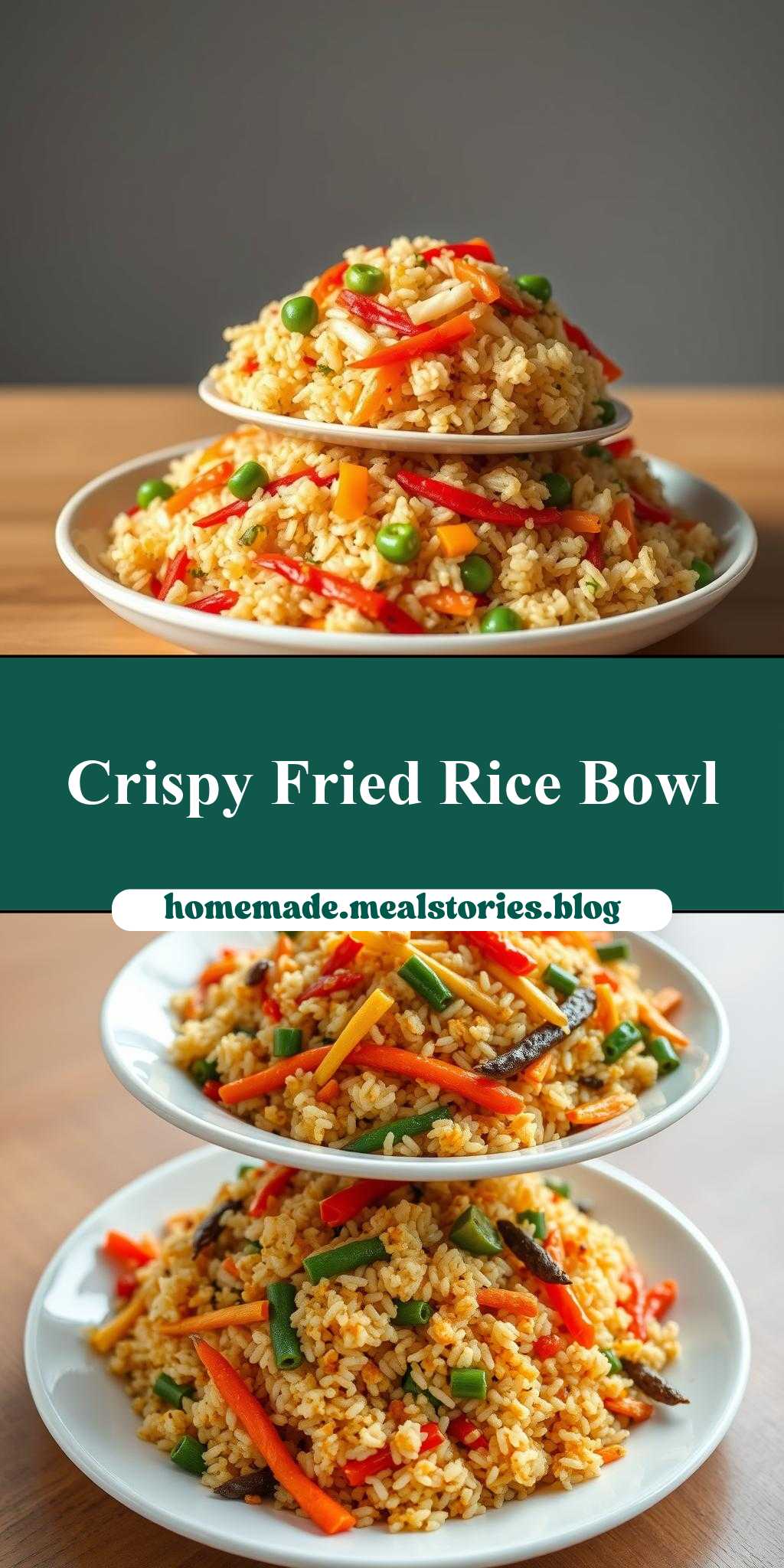
Can you really make fried rice at home that’s better than takeout? This quick and easy homemade recipe uses scrambled eggs and frozen peas to create a weeknight dinner favorite, try it soon and save this idea
two plates filled with rice and vegetables on top of each other, the words better than takeout fried rice
Introduction
Imagine a dish so flavorful and satisfying, it rivals your favorite takeout but is made with love and care in the comfort of your own home. “Better than takeout fried rice” is not just a claim; it’s a culinary achievement that combines the simplicity of everyday ingredients with the creativity of a professional chef. This recipe is designed to be easy, accessible, and incredibly delicious, using common ingredients that you might already have in your pantry. Whether you’re a busy professional looking for a quick meal solution or an aspiring chef seeking to impress, this recipe for fried rice is a game-changer. It’s about transforming leftover rice and vegetables into a masterpiece that’s both nourishing and delectable, all while having fun in the kitchen.
Why This Works
- Flavor balance and ingredient accessibility: This recipe strikes the perfect balance between salty, sweet, and savory flavors, using ingredients that are easily found in most supermarkets or already stocked in your kitchen.
- Ease of preparation: Despite its impressive outcome, the preparation and cooking process are straightforward and quick, making it an ideal choice for weeknights or whenever you need a meal fast.
- Impressive results with minimal effort: The beauty of this fried rice recipe lies in its ability to deliver restaurant-quality results with minimal fuss, perfect for surprising family and friends with your culinary skills.
Key Ingredients
The foundation of this “better than takeout” fried rice includes cooked rice (preferably day-old rice to avoid sogginess), a variety of colorful vegetables such as peas, carrots, and onions, protein sources like eggs, chicken, or tofu for added texture and nutrition, and seasonings including soy sauce, oyster sauce (optional), and sesame oil for that authentic Asian flavor. For practical substitutions, you can use whatever vegetables are in season or your personal favorites, and for vegetarians or vegans, tofu or tempeh can replace chicken. The versatility of this recipe is part of its charm, allowing you to get creative and make it your own.
Instructions
- Step 1: Begin by preparing all your ingredients. Chop the vegetables into small, uniform pieces, beat the eggs in a bowl, and slice any protein sources into thin strips. This prep work is crucial for a smooth and efficient cooking process.
- Step 2: Heat a couple of tablespoons of oil in a large skillet or wok over medium-high heat. Once the oil is hot, pour in the beaten eggs and scramble them until they’re cooked through. Remove the eggs from the skillet and set them aside. This step adds protein and texture to your dish.
- Step 3: In the same skillet, add a bit more oil if necessary, then add your chopped vegetables. Cook until they’re tender but still crisp, which should take about 3-5 minutes depending on the vegetables you’ve chosen. Next, add your protein source (if using) and cook until it’s fully incorporated with the vegetables. This layering of flavors and textures is what elevates this dish from simple to spectacular.
- Step 4: Now, it’s time to add the cooked rice to the skillet, breaking up any clumps with a spatula as you go. Stir-fry the rice with the vegetables and protein, ensuring everything is well mixed. Add your soy sauce, oyster sauce (if using), and sesame oil, and continue to stir-fry for another couple of minutes, allowing all the flavors to meld together. Finally, return the scrambled eggs to the skillet and stir-fry everything together. Season with salt and pepper to taste, and your “better than takeout” fried rice is ready to be served.
Handy Tips
- One of the most helpful tips for making excellent fried rice is to use day-old rice. Freshly cooked rice is too moist and sticky, which can make your fried rice clumpy and unappetizing. If you only have fresh rice, try spreading it out on a baking sheet to dry it out in a low-temperature oven for about 10 minutes.
- Don’t overfill your skillet or wok. Cook your ingredients in batches if necessary, to ensure each component is cooked perfectly without steaming instead of stir-frying.
- Experiment with different seasonings and ingredients to make the recipe your own. Whether it’s adding some heat with red pepper flakes, freshness with chopped scallions, or richness with grated ginger, the key to making this dish “better than takeout” is tailoring it to your tastes.
Heat Control
Heat control is crucial when making fried rice. You want your skillet or wok to be hot enough that it sears the ingredients quickly, creating that beautiful caramelized crust on the rice and vegetables, but not so hot that it burns them. Medium-high heat is usually the sweet spot, allowing for quick stir-frying and even cooking. Keep an eye on your ingredients as they cook, adjusting the heat as necessary to prevent burning or undercooking.
Crunch Factor
The crunch factor in fried rice comes from the combination of textures – the crunch of fresh vegetables, the slight chew of cooked rice, and the softness of scrambled eggs or protein. To achieve a nice crunch, make sure not to overcook your vegetables; they should retain some of their crispness even after stir-frying. Additionally, using a variety of vegetables with different textures adds depth to the dish. For an extra crunch, consider adding some toasted nuts or seeds towards the end of cooking.
Pro Kitchen Tricks
- Use a wok if you have one. The shape and material of a wok are ideal for stir-frying, allowing for quick and even cooking. If not, a large skillet will do the trick.
- Don’t stir-fry too much. While it’s tempting to constantly stir your ingredients, this can lead to overcooking and a loss of texture. Stir in quick, decisive motions, then let the ingredients cook undisturbed for a moment to develop that nice crust.
- Clean as you go. This trick applies to all cooking but is especially relevant for a dish like fried rice, where you’re using multiple ingredients and cooking methods. Cleaning your utensils and workspace as you go prevents clutter and makes the cooking process more enjoyable.
Storage Tips
- Leftover fried rice can be stored in the refrigerator for up to 3 days. It’s best to cool it down to room temperature before refrigerating to prevent moisture buildup.
- For reheating, add a splash of water to the rice to prevent it from drying out, then microwave or stir-fry it until it’s heated through.
- Fried rice can be frozen for up to 2 months. Divide it into portions, place them in airtight containers or freezer bags, and thaw overnight in the fridge when you’re ready to eat it.
Gift Packaging Ideas
While fried rice is typically a meal to enjoy immediately, it can also be packaged as a gift in creative ways. Consider portioning it out into small containers, topping it with a fried egg or some pickled ginger, and wrapping the container in a decorative bag or box. For a more substantial gift, pair the fried rice with other homemade goodies like cookies, jams, or chocolates, and present them in a beautifully arranged basket.
Flavor Variations
- Different spices: Add some curry powder for an Indian twist, smoked paprika for a smoky depth, or cumin and chili powder for a Mexican flavor profile.
- Creative toppings: Top your fried rice with diced tomatoes, sliced avocados, pickled carrots, or toasted peanuts for added flavor and texture.
- Ingredient swaps: Use quinoa or cauliflower rice for a low-carb version, or swap chicken with shrimp or tofu for different protein sources.
Troubleshooting
- Texture problems: If your fried rice turns out too dry, try adding a bit more oil or soy sauce. If it’s too wet, add more rice or cook it for a few more minutes to dry it out.
- Ingredient replacements: Don’t have a specific ingredient? Look for substitutes that offer similar textures or flavors. For example, if you don’t have peas, you could use diced zucchini or chopped bell peppers instead.
- Over/undercooking signs: If your rice is overcooked, it will be mushy and unappetizing. Undercooked rice, on the other hand, will be crunchy and hard. Adjust your cooking time based on the type of rice you’re using and your personal preference for doneness.
FAQs
- Can I freeze it? Yes, fried rice can be frozen for up to 2 months. It’s best to freeze it in portions to make reheating easier.
- Is it gluten-free? This recipe can be gluten-free depending on the soy sauce used. Look for gluten-free soy sauce or tamari to make it accessible to those with gluten intolerance.
- Can I double the recipe? Absolutely. Simply multiply all the ingredients by two and cook in batches if necessary to prevent overcrowding your skillet or wok.
Conclusion
Making “better than takeout” fried rice at home is not just about following a recipe; it’s about embracing the creativity and flexibility that cooking allows. This dish is a canvas waiting for your personal touches, whether that’s through the choice of vegetables, the addition of unique seasonings, or the presentation. So don’t be afraid to experiment, to try new things, and to make this recipe your own. With its combination of ease, flavor, and fun, this fried rice is sure to become a staple in your kitchen, a dish that you’ll return to again and again, always finding new ways to make it better than takeout.