
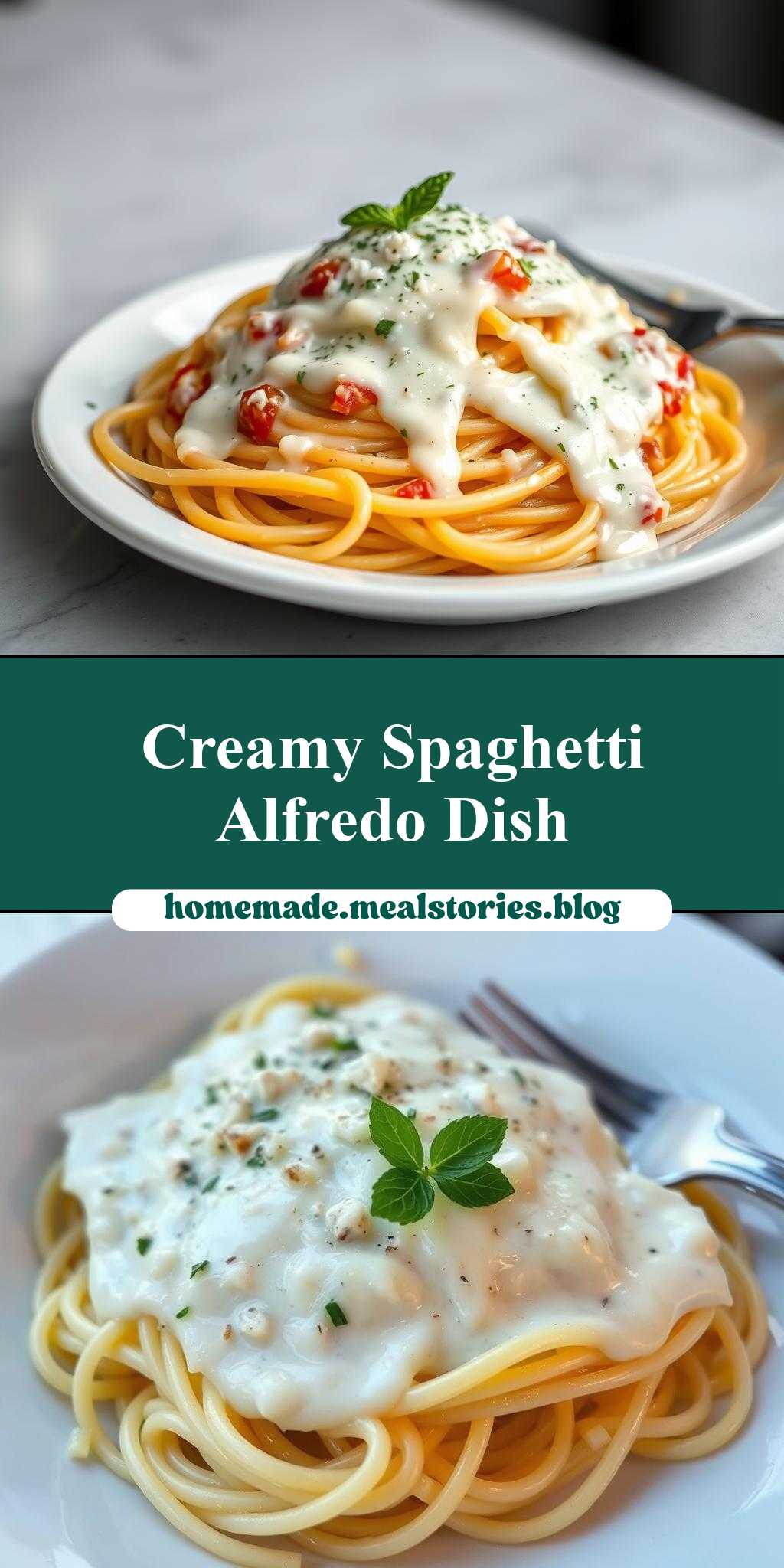
What makes a perfect weeknight dinner more satisfying than a plate of creamy homemade Alfredo spaghetti loaded with parmesan cheese and cooked to perfection in just a few easy steps, try making this quick family favorite for a delicious meal, save this idea
Alfredo Spaghetti
Introduction
Imagine a dish that is both decadently rich and effortlessly easy to make, using everyday ingredients that you might already have in your pantry. Alfredo Spaghetti is a culinary masterpiece that embodies the perfect balance of cream, cheese, and pasta, all combined in a way that’s not only delicious but also incredibly straightforward to prepare. The beauty of Alfredo Spaghetti lies in its simplicity and versatility, allowing anyone, from a novice cook to a seasoned chef, to create a truly impressive meal with minimal fuss. This classic Italian dish is a testament to the power of a few, high-quality ingredients, carefully selected and prepared to bring out the full depth of their flavors.
Why This Works
- Flavor balance and ingredient accessibility: Alfredo Spaghetti works because it balances rich, creamy sauce with the light, springy texture of spaghetti, all made possible with ingredients that are readily available in most supermarkets.
- Ease of preparation: The recipe is remarkably simple, requiring just a few steps to go from raw ingredients to a finished dish that looks and tastes like it was made in a professional kitchen.
- Impressive results with minimal effort: Despite its simplicity, Alfredo Spaghetti never fails to impress, whether you’re cooking for a special occasion or just a quick weeknight dinner. The combination of parmesan cheese, butter, and heavy cream creates a sauce that is both indulgent and sophisticated.
Key Ingredients
The foundation of a great Alfredo Spaghetti lies in its key ingredients. You’ll need high-quality spaghetti, which provides the perfect base for the dish. For the sauce, you’ll rely on a combination of butter, heavy cream, and parmesan cheese. The butter adds a richness and depth of flavor, while the heavy cream contributes a luxurious creaminess. Parmesan cheese, preferably freshly grated, is the star of the show, providing a salty, nutty flavor that binds the whole dish together. Garlic and parsley add freshness and depth, rounding out the flavors of the dish. Practical substitutions can include using other types of pasta if spaghetti is not available, or experimenting with different cheeses, like mozzarella or ricotta, for a unique twist.
Instructions
- Step 1: Begin by bringing a large pot of salted water to a boil. While waiting for the water to boil, prepare your ingredients by grating the parmesan cheese, chopping the parsley, and mincing the garlic. This prep work ensures that everything is ready to go once your pasta is cooked.
- Step 2: Cook the spaghetti in the boiling water until it’s al dente, which should take about 8-10 minutes. While the spaghetti is cooking, melt the butter in a large saucepan over medium heat. Add the minced garlic and cook for about 1 minute, until fragrant, being careful not to burn the garlic.
- Step 3: Pour in the heavy cream and bring the mixture to a simmer. Let it cook for a few minutes until it slightly thickens. Remove the sauce from the heat and stir in the parmesan cheese until it’s fully incorporated and the sauce is smooth. Season with salt and pepper to taste.
- Step 4: Drain the cooked spaghetti and add it to the cheese sauce. Toss everything together until the spaghetti is well coated with the sauce. Finally, sprinkle with chopped parsley and serve immediately. This final step is crucial, as it allows the flavors to meld together and the textures to combine in a satisfying way.
Handy Tips
- One of the most helpful tips for making Alfredo Spaghetti is to ensure that you don’t overcook the pasta. Al dente texture is crucial for the dish, as it provides a nice contrast to the soft, creamy sauce. Additionally, be mindful of the heat when melting the butter and cooking the garlic, as burning either of these ingredients can quickly ruin the dish.
Heat Control
Heat control is essential in several steps of the Alfredo Spaghetti recipe. When melting the butter, it’s important to use medium heat to prevent the butter from burning or browning too quickly. Similarly, when cooking the garlic, low to medium heat is best to avoid burning the garlic, which can give the dish a bitter taste. For the heavy cream, bringing it to a simmer over medium heat and then reducing the heat to low once it’s simmering helps to thicken the sauce without scorching it.
Crunch Factor
The texture of Alfredo Spaghetti is predominantly creamy and soft, thanks to the sauce and the cooked pasta. However, a bit of crunch can be added with some fresh parsley on top, which not only adds color but also a bit of freshness and texture. For those who prefer a bit more crunch, toasted pine nuts or almonds can be sprinkled on top of the dish before serving, providing a satisfying textural contrast to the soft pasta and sauce.
Pro Kitchen Tricks
- One expert tip for making Alfredo Spaghetti is to reserve some of the pasta cooking water before draining the spaghetti. This water can be added to the sauce if it becomes too thick, helping to achieve the perfect consistency. Another trick is to use a combination of parmesan and other cheeses, like mozzarella or pecorino, for a more complex flavor profile.
Storage Tips
- For leftovers, it’s best to store the Alfredo Spaghetti in an airtight container in the refrigerator. When reheating, add a bit of heavy cream or pasta cooking water to revive the sauce. The dish can be safely stored for up to 3 days. While freezing is possible, the texture of the sauce might change, becoming slightly separated upon thawing. If you do choose to freeze it, it’s best to freeze the sauce and cooked pasta separately for better results.
Gift Packaging Ideas
While Alfredo Spaghetti is typically a dish served fresh, components of it can be gifted, such as a jar of homemade parmesan sauce or a package of artisanal spaghetti. For gifting, consider packaging the sauce in decorative jars with a ribbon and a recipe card, or the pasta in a beautifully wrapped box with a few sprigs of fresh parsley. This can make for a thoughtful and unique gift for any pasta lover.
Flavor Variations
- Different spices: Adding a pinch of nutmeg or red pepper flakes can give the dish a unique twist. Nutmeg adds a warm, slightly sweet flavor, while red pepper flakes introduce a spicy kick.
- Creative toppings: Consider adding cooked chicken, shrimp, or mushrooms to make the dish more substantial. Each of these proteins can be cooked in a variety of ways to suit your taste, from simple sautéing to more complex sauces.
- Ingredient swaps: For a vegetarian version, you might swap out the traditional parmesan for a vegan alternative, or use different types of cheese for a varied flavor profile. Experimenting with these swaps can lead to interesting and delicious variations on the classic recipe.
Troubleshooting
- Texture problems: If the sauce becomes too thick, try adding a bit of the reserved pasta cooking water. If it’s too thin, simmer it for a few more minutes to reduce it.
- Ingredient replacements: If you’re missing an ingredient, consider what else you have in your pantry that could serve a similar function. For example, if you don’t have heavy cream, a mixture of butter and milk can provide a similar richness, albeit with a slightly different flavor.
- Over/undercooking signs: The pasta should have a bit of bite to it (al dente), and the sauce should be smooth and creamy. If the pasta is overcooked, it will be mushy, and if the sauce is overcooked, it might break or become too thick.
FAQs
- Can I freeze it? Yes, but it’s best to freeze the sauce and pasta separately to preserve texture. When you’re ready to eat it, thaw overnight in the fridge and reheat gently.
- Is it gluten-free? Traditional spaghetti contains gluten, but there are gluten-free alternatives made from rice, quinoa, or corn flour that can be used as a substitute.
- Can I double the recipe? Absolutely, just keep an eye on the sauce as it thickens, and adjust the seasoning accordingly. Doubling the recipe is a great way to feed a larger crowd or to have leftovers for future meals.
Conclusion
Alfredo Spaghetti is a dish that embodies the spirit of Italian cuisine: simple, yet rich; comforting, yet elegant. With its straightforward preparation and impressive results, it’s a recipe that can be enjoyed by anyone, regardless of their cooking experience. Whether you’re looking for a quick dinner solution, a dish to impress your guests, or just a delicious meal to enjoy on your own, Alfredo Spaghetti is sure to satisfy. Feel free to experiment with the recipe, adding your own favorite ingredients or twists to make it truly yours. And don’t hesitate to share your creations with friends and family, as the joy of cooking is often best experienced when shared with others.
Alfredo Spaghetti
A classic Italian dish made with spaghetti, parmesan cheese, and a creamy sauce, perfect for a quick and impressive meal.
🥘 Ingredients
👩🍳 Instructions
-
1Bring a large pot of salted water to a boil and cook the spaghetti according to the package instructions until al dente.
-
2In a large saucepan, melt the butter over medium heat. Add the garlic and cook for 1 minute, until fragrant.
-
3Pour in the heavy cream and bring the mixture to a simmer. Let cook for a few minutes until it slightly thickens.
-
4Remove the sauce from the heat and stir in the parmesan cheese until fully incorporated. Season with salt and pepper to taste.
-
5Drain the cooked spaghetti and add it to the cheese sauce. Toss everything together until the spaghetti is well coated with the sauce. Serve immediately, garnished with chopped parsley if desired.