
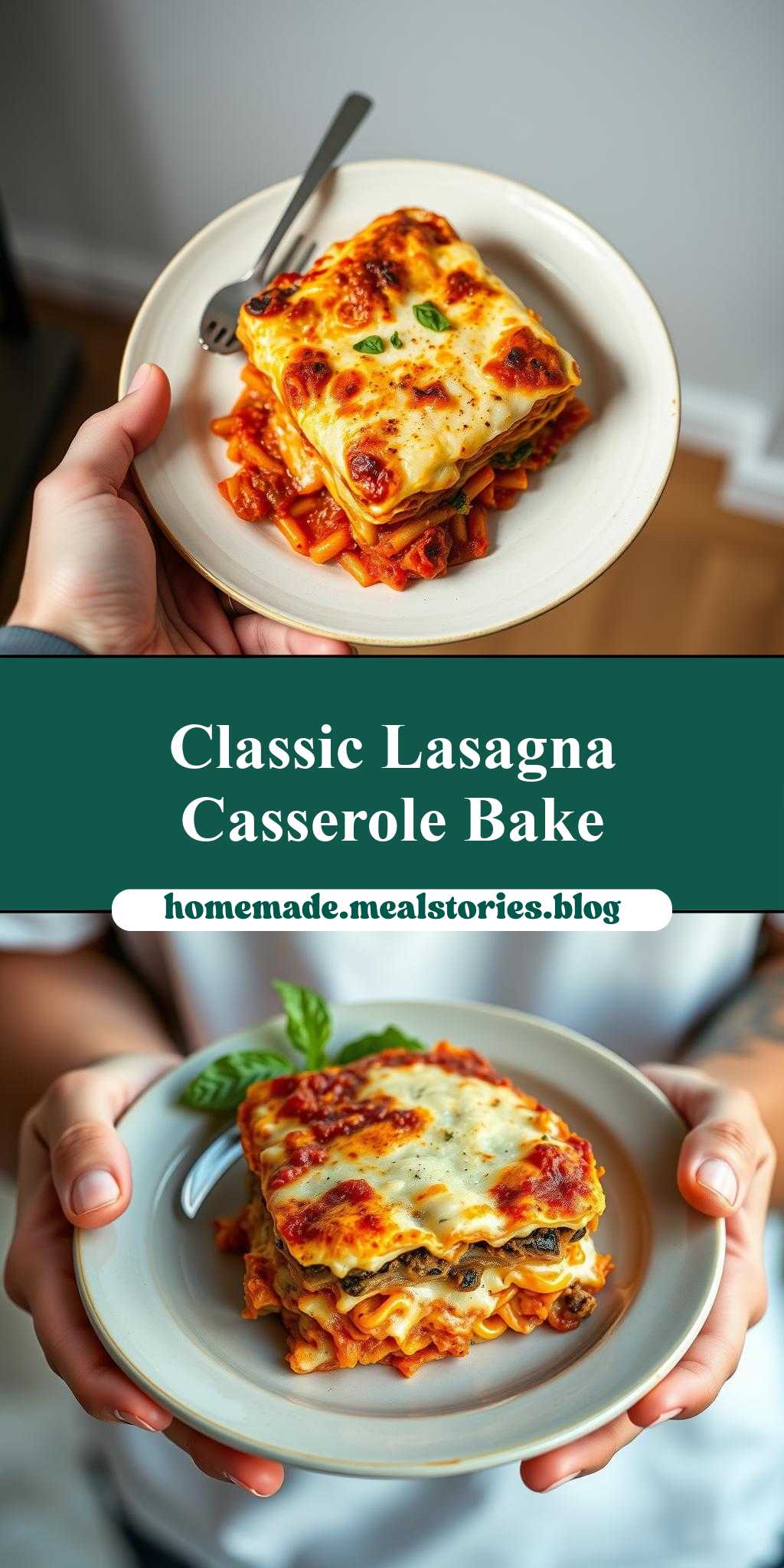
What makes a perfect weeknight dinner? A hearty homemade lasagna casserole with rich ground beef and layers of pasta, baked to perfection. This easy family favorite is a staple for a reason. Save this idea for your next quick and satisfying meal.
a person holding a plate with lasagna casserole on it
Introduction
Imagine the joy of presenting a perfectly layered lasagna casserole, its golden-brown cheese stretching as you take your first bite, filling the room with the savory aroma of slow-cooked pasta, rich meat sauce, and a blend of creamy cheeses. This dish is a masterclass in comfort food, showcasing how everyday ingredients can be transformed into a culinary masterpiece that’s both easy to make and visually stunning. Whether you’re a seasoned chef or a beginner in the kitchen, this lasagna casserole recipe is designed to impress with its balance of flavors, ease of preparation, and the creativity it allows in using various ingredients.
Why This Works
- Flavor balance and ingredient accessibility: This recipe stands out for its well-balanced flavors and the use of easily accessible ingredients, making it a staple for any home cook.
- Ease of preparation: The steps are straightforward, and the layering process, although it may seem intricate, is surprisingly simple to execute, even for those new to cooking.
- Impressive results with minimal effort: Despite its simplicity, the dish presents beautifully and tastes like a labor of love, making it perfect for special occasions or everyday meals alike.
Key Ingredients
The main ingredients for this lasagna casserole include ground beef or an alternative for a vegetarian option, lasagna noodles, a rich tomato sauce, a blend of cheeses such as ricotta, mozzarella, and parmesan, and fresh basil for added flavor and presentation. Practical substitutions can be made for various dietary needs, such as using gluten-free lasagna noodles or vegan cheese alternatives, ensuring the dish can be enjoyed by everyone.
Instructions
- Step 1: Begin by prepping your ingredients. Chop the onions and garlic, measure out the cheese, and cook the lasagna noodles according to the package instructions. If using ground beef, cook it in a pan until browned, then add the tomato sauce and let it simmer.
- Step 2: Mix the ricotta cheese with eggs and a pinch of salt and pepper. This mixture will add creaminess to your lasagna. Also, prepare any additional ingredients like spinach or mushrooms if you’re incorporating them into your layers.
- Step 3: Layer the ingredients in a baking dish, starting with a thin layer of the meat sauce, followed by lasagna noodles, then the ricotta mixture, and finally a layer of shredded mozzarella cheese. Repeat this process until all ingredients are used, finishing with a layer of mozzarella on top.
- Step 4: Cover the baking dish with aluminum foil and bake in a preheated oven at 375°F (190°C) for about 30 minutes. Remove the foil and continue baking for an additional 10-15 minutes, or until the cheese is melted and bubbly. Let it rest for a few minutes before slicing and serving.
Handy Tips
- To avoid a soggy lasagna, make sure not to overcook the noodles and drain excess moisture from the ricotta cheese mixture. Also, letting the lasagna rest before serving helps the flavors to meld together and the layers to set.
Heat Control
The ideal temperature for baking the lasagna is 375°F (190°C). It’s crucial to not overbake, as this can cause the cheese to burn and the noodles to become dry. A good sign of doneness is when the cheese is golden brown and bubbly, and the lasagna feels heated through when a knife is inserted into the center.
Crunch Factor
To achieve a nice crunch on top of the lasagna, broil the dish for a couple of minutes after removing the foil. Keep an eye on it to prevent burning. For an extra crunchy element, you can sprinkle some grated parmesan cheese or breadcrumbs on top before baking.
Pro Kitchen Tricks
- Using high-quality ingredients, especially the cheese and the tomato sauce, can elevate the flavor of the lasagna significantly. Consider making your own tomato sauce from scratch for the best results.
- A shortcut to preparing the ricotta mixture is to use a food processor to blend all the ingredients together, ensuring a smooth and creamy texture.
Storage Tips
- Leftover lasagna can be stored in the refrigerator for up to 3 days. It’s best to reheat it in the oven to maintain the texture and flavor. For longer storage, lasagna can be frozen for up to 3 months. When reheating from frozen, cover the dish with foil and bake at a lower temperature to prevent burning.
- Use airtight containers to store leftovers, and consider portioning the lasagna into individual servings before freezing for easy meal prep.
Gift Packaging Ideas
If you’re planning to gift your lasagna, consider portioning it into smaller, individual servings and wrapping each in aluminum foil or placing them in microwave-safe containers. You can add a personal touch with a ribbon or a gift tag that includes reheating instructions.
Flavor Variations
- Different spices: Adding a pinch of nutmeg or basil can give your lasagna a unique twist. For a spicy version, incorporate some red pepper flakes into the meat sauce.
- Creative toppings: Before baking, top your lasagna with additional ingredients like sliced olives, artichoke hearts, or sun-dried tomatoes to add texture and flavor.
- Ingredient swaps: For a vegetarian version, substitute the ground beef with sautéed mushrooms or eggplant. Vegan options can also be explored by using plant-based cheese alternatives and skipping the eggs in the ricotta mixture.
Troubleshooting
- Texture problems: If your lasagna turns out too dry, it might be due to overbaking. To fix this, try covering the dish with foil for the last part of the baking time. On the other hand, if it’s too soggy, check that you didn’t overcook the noodles or use too much sauce.
- Ingredient replacements: If you’re missing an ingredient, don’t hesitate to get creative with substitutions. For example, if you don’t have ricotta, a mixture of cottage cheese and eggs can work as a replacement.
- Over/undercooking signs: Keep an eye on your lasagna while it’s baking. If the top starts to brown too quickly, cover it with foil. If it’s not browning at all, you might need to increase the oven temperature slightly.
FAQs
- Can I freeze it? Yes, lasagna freezes well. It’s best to freeze it before baking, then thaw and bake as needed.
- Is it gluten-free? Traditional lasagna noodles contain gluten, but you can easily make this dish gluten-free by using gluten-free lasagna noodles.
- Can I double the recipe? Absolutely. Just keep in mind that you’ll need a larger baking dish and potentially more baking time. It’s a good idea to check the lasagna periodically to ensure it doesn’t overcook.
Conclusion
Making a lasagna casserole is not just about following a recipe; it’s about creating a dish that brings people together. With its rich flavors, comforting warmth, and the satisfaction of a homemade meal, this lasagna is sure to become a family favorite. Don’t be afraid to experiment with different ingredients and flavors to make it your own. Whether you’re cooking for a crowd or a quiet night in, this recipe is versatile and sure to please. So go ahead, get creative, and enjoy the process of cooking and sharing this delicious lasagna casserole.