
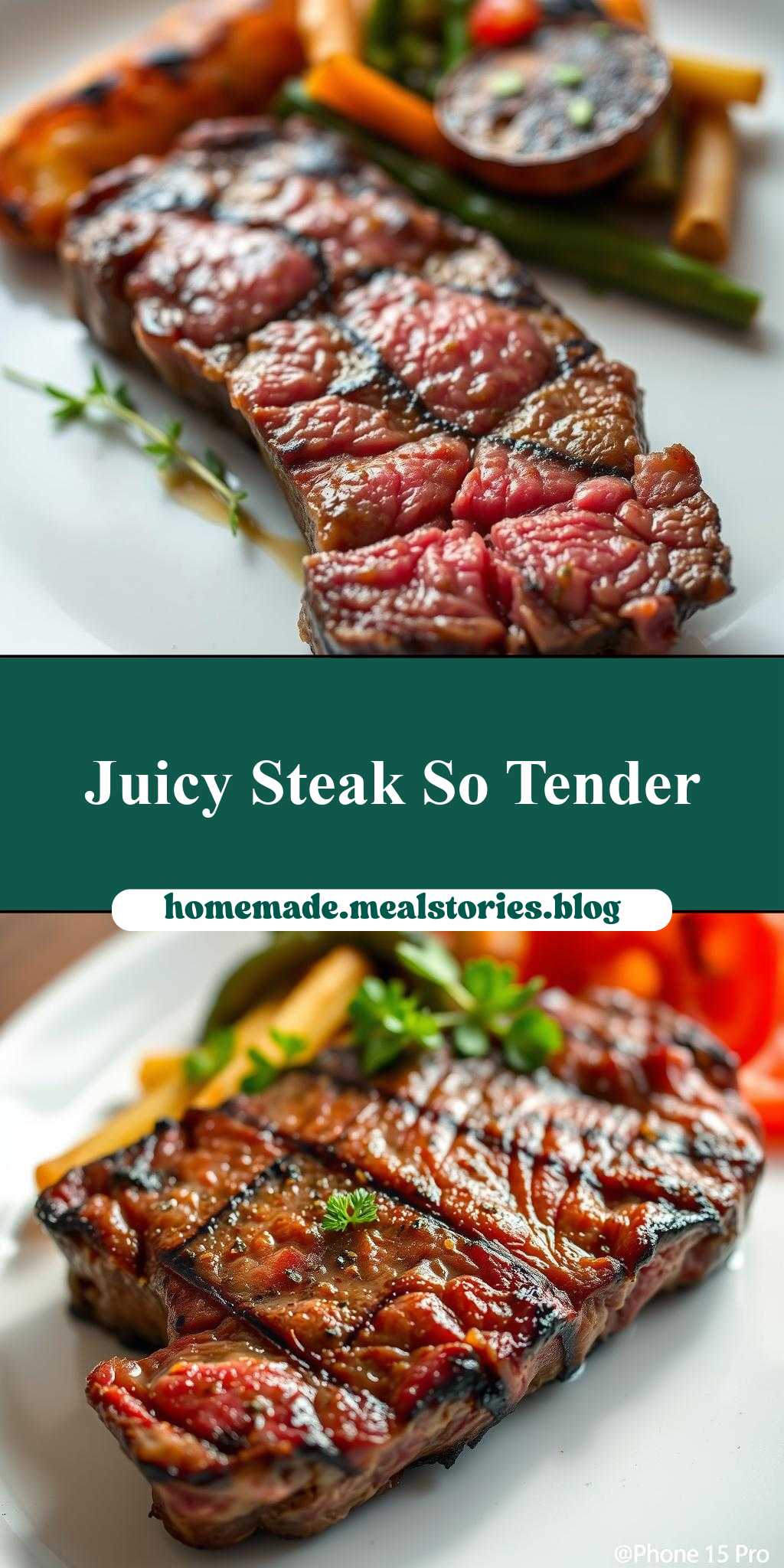
What makes a perfect steak? A juicy ribeye steak with a rich garlic butter sauce is the ultimate weeknight dinner solution, requiring just a few easy ingredients like tender ribeye and fresh thyme to create a homemade favorite, save this idea for your next family favorite meal
Juicy Ribeye Steak
Introduction
Imagine sinking your teeth into a perfectly cooked, juicy ribeye steak that’s bursting with flavor. This recipe is designed to be easy to follow, using everyday ingredients that you might already have in your pantry. The best part? It’s incredibly versatile, allowing you to get creative with different seasonings and toppings to suit your taste. Whether you’re a steak aficionado or just looking to elevate your dinner game, this juicy ribeye steak recipe is sure to impress. With its rich, beefy flavor and tender texture, it’s the perfect centerpiece for any meal.
Why This Works
- Flavor balance and ingredient accessibility: This recipe strikes the perfect balance between simplicity and flavor, using ingredients that are readily available in most supermarkets.
- Ease of preparation: Despite its impressive results, this recipe is surprisingly easy to prepare, requiring minimal effort and time.
- Impressive results with minimal effort: The combination of a well-marbled ribeye steak, a flavorful seasoning blend, and a precise cooking technique ensures that your steak turns out juicy and delicious every time.
Key Ingredients
To make this juicy ribeye steak, you’ll need a few key ingredients. First and foremost, you’ll need a high-quality ribeye steak with a good balance of marbling, which will help keep the steak juicy and flavorful. You’ll also need some olive oil, salt, and pepper, as well as any additional seasonings you like (such as garlic powder, paprika, or thyme). If you want to get fancy, you can also add some aromatics like onions or bell peppers to the pan for added flavor. Practical substitutions for ribeye steak include other richly marbled cuts like porterhouse or strip loin, although the cooking time may vary slightly.
Instructions
- Step 1: Begin by preheating your oven to 400°F (200°C). While the oven is heating up, season your ribeye steak generously with salt, pepper, and any other desired seasonings. Let the steak sit at room temperature for about 30 minutes to allow the seasonings to penetrate the meat.
- Step 2: Heat a couple of tablespoons of olive oil in a large oven-safe skillet over high heat. Sear the ribeye steak for 2-3 minutes per side, or until a nice crust forms. After searing the steak, transfer the skillet to the preheated oven and cook for an additional 10-15 minutes, or until the steak reaches your desired level of doneness.
- Step 3: While the steak is cooking, you can add some aromatics to the pan to enhance the flavor. Simply slice up some onions or bell peppers and add them to the skillet, stirring occasionally to prevent burning.
- Step 4: Once the steak is cooked to your liking, remove it from the oven and let it rest for a few minutes before slicing. This will help the juices redistribute, making the steak even more tender and flavorful. Slice the steak against the grain and serve immediately, garnished with any additional toppings or seasonings you like.
Handy Tips
- Make sure to not overcrowd the skillet, as this can lower the temperature and prevent the steak from searing properly. Cook the steak one at a time if necessary, and keep the cooked steaks warm in the oven while cooking the remaining steaks.
- Don’t press down on the steak with your spatula while it’s cooking, as this can squeeze out juices and make the steak tough. Instead, let the steak cook undisturbed for a few minutes on each side to allow a nice crust to form.
- Use a meat thermometer to ensure the steak is cooked to a safe internal temperature. For medium-rare, the internal temperature should be at least 130°F (54°C), while medium should be at least 140°F (60°C).
Heat Control
Heat control is crucial when cooking a juicy ribeye steak. You want to sear the steak over high heat to create a nice crust, but then finish it in the oven at a lower temperature to prevent overcooking. The ideal temperature for cooking a ribeye steak will depend on the thickness of the steak and your desired level of doneness, but a good rule of thumb is to cook it in the oven at 400°F (200°C) for 10-15 minutes, or until it reaches an internal temperature of 130-140°F (54-60°C) for medium-rare to medium. Use a meat thermometer to check the internal temperature, and adjust the cooking time as needed.
Crunch Factor
The crunch factor is all about texture, and a juicy ribeye steak should have a nice balance of tender and crunchy elements. The crust on the steak should be crispy and caramelized, while the inside should be tender and juicy. To achieve this, make sure to not overcook the steak, and let it rest for a few minutes before slicing to allow the juices to redistribute. You can also add some crunchy toppings like toasted breadcrumbs or crispy fried onions to add texture and flavor.
Pro Kitchen Tricks
- Use a cast-iron or stainless steel skillet to cook the steak, as these retain heat well and can achieve a nice crust on the steak.
- Don’t be afraid to get creative with your seasonings and toppings. Some ideas include garlic butter, chimichurri sauce, or a sprinkle of parmesan cheese.
- Let the steak rest for a few minutes before slicing to allow the juices to redistribute. This will help the steak stay tender and flavorful.
Storage Tips
- Let the steak cool to room temperature before refrigerating or freezing. This will help prevent the growth of bacteria and keep the steak fresh for longer.
- Wrap the steak tightly in plastic wrap or aluminum foil and refrigerate for up to 3 days. You can also freeze the steak for up to 2 months, although the texture and flavor may degrade slightly.
- To reheat the steak, simply slice it thinly and heat it in a skillet over medium-low heat until warmed through. You can also reheat it in the oven at 300°F (150°C) for a few minutes, or until warmed through.
Gift Packaging Ideas
If you want to give a juicy ribeye steak as a gift, there are a few ways to package it nicely. One idea is to wrap the steak in butcher paper or wax paper and tie it with twine, then place it in a gift box or bag. You could also include some complementary items like a bottle of wine, a steak seasoning blend, or a cookbook with steak recipes. Another idea is to create a steak gift basket filled with all the fixings for a steak dinner, including the steak itself, some roasted vegetables, and a side of mashed potatoes or garlic bread.
Flavor Variations
- Different spices: Try using different spice blends like cumin and chili powder for a southwestern flavor, or paprika and garlic powder for a smoky flavor.
- Creative toppings: Some ideas include caramelized onions, sautéed mushrooms, or a fried egg. You could also try using different sauces like teriyaki or BBQ sauce.
- Ingredient swaps: If you can’t find ribeye steak, you could try using other cuts like sirloin or flank steak. Keep in mind that the cooking time may vary slightly depending on the thickness and type of steak.
Troubleshooting
- Texture problems: If the steak is tough or chewy, it may be overcooked. Try cooking it to a lower internal temperature next time, or using a more tender cut of meat.
- Ingredient replacements: If you can’t find a certain ingredient, try substituting it with something similar. For example, you could use thyme instead of rosemary, or garlic powder instead of onion powder.
- Over/undercooking signs: If the steak is overcooked, it will be dry and tough. If it’s undercooked, it will be raw and pink in the center. Use a meat thermometer to check the internal temperature, and adjust the cooking time as needed.
FAQs
- Can I freeze it? Yes, you can freeze a cooked ribeye steak for up to 2 months. Simply wrap it tightly in plastic wrap or aluminum foil and place it in a freezer-safe bag.
- Is it gluten-free? Yes, this recipe is gluten-free as long as you use gluten-free seasonings and sauces. Be sure to check the ingredient labels to ensure that they are gluten-free.
- Can I double the recipe? Yes, you can easily double or triple this recipe to feed a larger crowd. Simply multiply the ingredients and adjust the cooking time as needed.
Conclusion
Cooking a juicy ribeye steak is easier than you think, and with a few simple tips and tricks, you can achieve restaurant-quality results at home. Remember to choose a high-quality steak, season it generously, and cook it to the right temperature. Don’t be afraid to get creative with your seasonings and toppings, and don’t hesitate to experiment with different flavor combinations. With practice and patience, you’ll be a steak-cooking pro in no time. So go ahead, give this recipe a try, and enjoy the perfectly cooked, juicy ribeye steak that you deserve.
Juicy Ribeye Steak
A recipe for a juicy ribeye steak with a crispy crust and tender interior, cooked to perfection in the oven.
🥘 Ingredients
👩🍳 Instructions
-
1Preheat the oven to 400°F (200°C).
-
2Season the ribeye steak generously with salt, pepper, garlic powder, and paprika.
-
3Heat the olive oil in a large oven-safe skillet over high heat. Sear the steak for 2-3 minutes per side, or until a nice crust forms.
-
4Transfer the skillet to the preheated oven and cook for an additional 10-15 minutes, or until the steak reaches your desired level of doneness.