
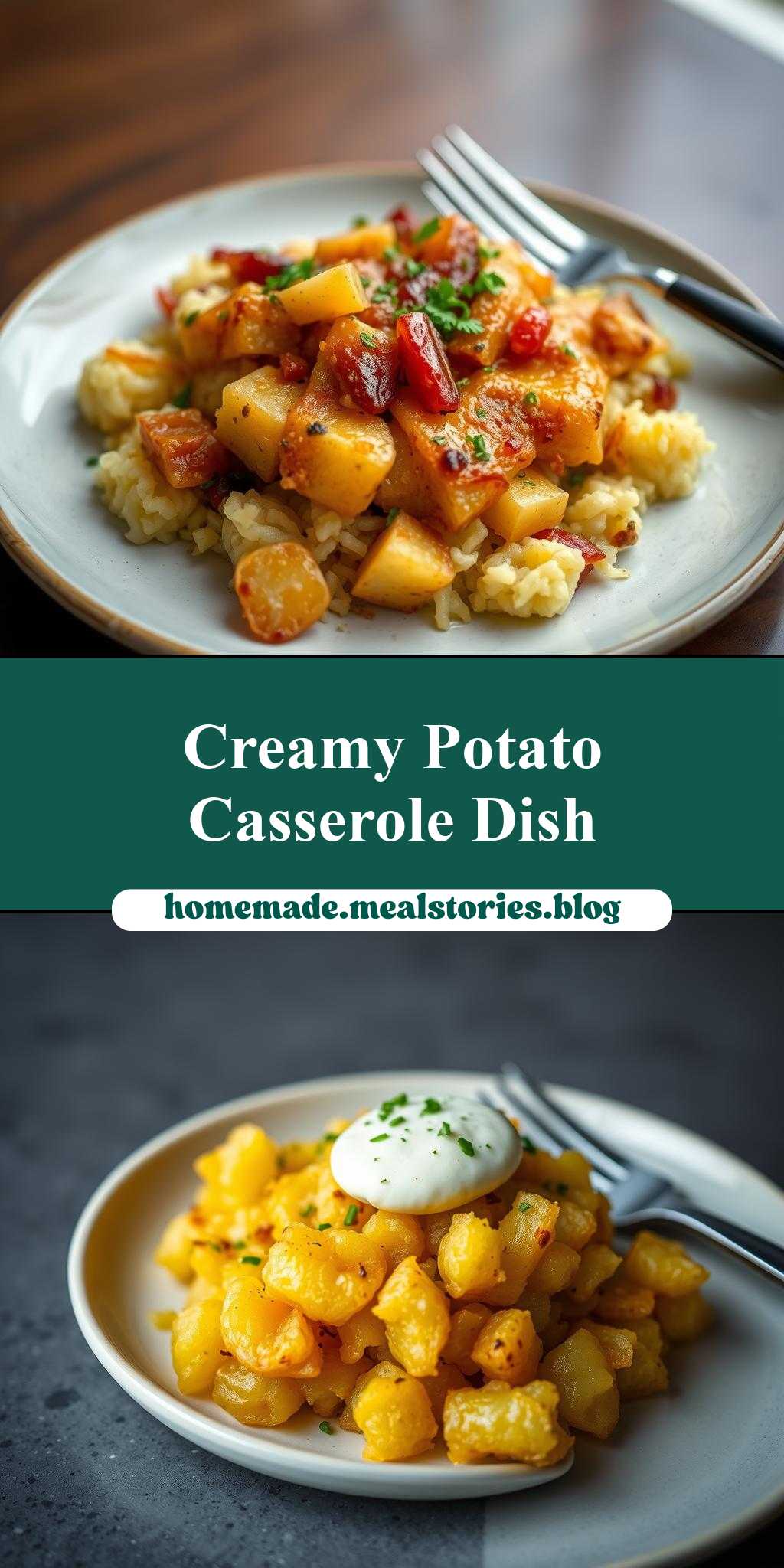
What’s the secret to a comforting casserole that’s been a family favorite for generations? It starts with shredded potatoes, sour cream and a crispy topping, all combined in a quick and easy homemade dish perfect for weeknight dinner. Save this idea for your next family gathering, it’s sure to become a staple. Try it soon, you wont be disappointed. Pin for later
Funeral Potatoes
Introduction
Funeral Potatoes, a dish that has become synonymous with comfort and community, especially in times of need. This hearty, flavorful casserole is a staple of American cuisine, particularly in the Midwest and Western United States. What makes Funeral Potatoes so endearing is not just its rich, satisfying taste, but also its ease of preparation and the creativity it allows in using everyday ingredients. Whether you’re attending a funeral, a family gathering, or simply need a warm, comforting meal, Funeral Potatoes are the perfect choice. They’re a testament to the power of food to bring people together and provide solace in difficult times.
Why This Works
- Flavor balance and ingredient accessibility: The combination of potatoes, cheese, sour cream, and onions, along with the crunch of crushed crackers, creates a flavor balance that is hard to resist. Moreover, these ingredients are easily accessible, making it a practical choice for any occasion.
- Ease of preparation: One of the most appealing aspects of Funeral Potatoes is how easy they are to prepare. The steps are straightforward, and the ingredients are simple to mix together, making it a dish that anyone can make, regardless of their culinary skills.
- Impressive results with minimal effort: Despite the simplicity of its preparation, Funeral Potatoes yield impressive results. The dish is filling, flavorful, and visually appealing, making it perfect for potlucks, gatherings, or as a comforting meal at home.
Key Ingredients
The main ingredients for Funeral Potatoes include diced potatoes, shredded cheese (such as cheddar or a blend), sour cream, diced onions, and crushed crackers (like Ritz or saltines) for the topping. You can also add cooked bacon, ham, or diced bell peppers to enhance the flavor and texture. Practical substitutions can be made based on dietary preferences or ingredient availability. For example, Greek yogurt can replace sour cream for a lighter version, and gluten-free crackers can be used for those with gluten intolerance.
Instructions
- Step 1: Begin by preheating your oven to 350°F (175°C). Then, peel and dice the potatoes into small, uniform pieces to ensure they cook evenly. While the potatoes are boiling until they’re slightly tender, prepare the other ingredients. Dice the onions and cook the bacon or ham if using.
- Step 2: In a large mixing bowl, combine the cooked potatoes, shredded cheese, sour cream, diced onions, and any additional meats or vegetables you’re using. Mix well until all the ingredients are fully incorporated. Season with salt and pepper to taste.
- Step 3: Transfer the potato mixture to a 9×13 inch baking dish. Top with additional shredded cheese and then a layer of crushed crackers. If you’re feeling extra generous, you can drizzle a bit of melted butter over the crackers for an extra crispy top.
- Step 4: Bake the casserole in the preheated oven for about 25-30 minutes, or until the top is golden brown and the casserole is heated through. Remove from the oven and let it cool for a few minutes before serving. You can serve it hot, garnished with chopped scallions or chives for a bit of color and freshness.
Handy Tips
- When boiling the potatoes, make sure not to overcook them, as they will continue to cook a bit in the oven. slightly tender is the perfect stage for them to hold their shape in the casserole but still be fully cooked by the time it’s done.
- Don’t overmix the potato mixture, as this can make the casserole dense and unappealing. A gentle fold of the ingredients is all you need.
- For an extra crunchy top, you can broil the casserole for a minute or two after baking. Keep a close eye on it to prevent burning.
Heat Control
The ideal temperature for baking Funeral Potatoes is 350°F (175°C), and the casserole should be baked for about 25-30 minutes. You’re looking for a golden brown top and a heated-through casserole. If you’re unsure, you can always check the internal temperature; it should be at least 165°F (74°C) in the center. Signs of doneness also include the casserole being hot and the cheese melted and slightly bubbly.
Crunch Factor
Achieving the right crunch factor is key to the appeal of Funeral Potatoes. The crushed crackers on top, possibly enhanced with a drizzle of melted butter, should come out golden and crunchy after baking. This textural contrast to the soft, cheesy potatoes beneath is what makes the dish so satisfying. To enhance the crunch, ensure the crackers are evenly distributed and not too densely packed, allowing each bite to have a good balance of textures.
Pro Kitchen Tricks
- For easier cleanup, line your baking dish with parchment paper or aluminum foil before adding the casserole mixture. This trick also helps prevent the casserole from sticking to the dish.
- Consider making the components of the casserole ahead of time. For example, you can boil and chill the potatoes, or even assemble the entire casserole except for the topping, and then bake it when you’re ready.
- Experiment with different types of cheese or meats to find your favorite combination. Funeral Potatoes are highly adaptable, and what makes them special is the personal touch you can add to the recipe.
Storage Tips
- Leftover Funeral Potatoes can be stored in the refrigerator for up to 3 days. Reheat them in the oven or microwave until hot and bubbly.
- For longer storage, consider freezing the casserole before baking. Assemble the casserole up to the point of adding the crushed crackers, then freeze. When you’re ready to bake, thaw overnight in the fridge, add the crackers, and bake as instructed.
- Use airtight containers for storage to maintain freshness and prevent drying out. If reheating from frozen, you might need to add a bit more time to the baking instructions to ensure the casserole is heated through.
Gift Packaging Ideas
Funeral Potatoes make a thoughtful and practical gift, especially for those going through a difficult time. Consider packaging the casserole in a disposable aluminum baking dish and wrapping it in foil or plastic wrap. Add a thoughtful note or a bouquet of flowers for a personal touch. If you prefer a more portable gift, you can also package individual servings in microwave-safe containers, perfect for a quick and comforting meal.
Flavor Variations
- Different spices: Add some dried herbs like thyme or rosemary for a savory twist, or a bit of cayenne pepper for a spicy kick.
- Creative toppings: In addition to cheese and crackers, consider other toppings like diced tomatoes, chopped fresh herbs, or even a dollop of sour cream or Greek yogurt for added freshness.
- Ingredient swaps: Use different types of potatoes, like sweet potatoes or Yukon golds, for a change in flavor and texture. You can also substitute the sour cream with Greek yogurt or a non-dairy alternative for a lighter version.
Troubleshooting
- Texture problems: If the casserole turns out too dry, it might be because the potatoes were overcooked or too much liquid was lost during baking. Conversely, if it’s too wet, the potatoes might not have been cooked enough before baking, or too much sour cream was used.
- Ingredient replacements: Always consider the flavor and texture you’re trying to achieve when substituting ingredients. For example, replacing bacon with ham will change the smokiness and saltiness of the dish.
- Over/undercooking signs: Keep an eye on the casserole while it’s baking. If the top is getting too brown, cover it with foil. If the casserole seems undercooked, give it a few more minutes and check again.
FAQs
- Can I freeze it? Yes, Funeral Potatoes can be frozen, either before or after baking. If freezing before baking, assemble the casserole without the topping, freeze, and then thaw and bake when needed. If freezing after baking, cool the casserole, then freeze. Reheat in the oven or microwave until hot and bubbly.
- Is it gluten-free? The basic recipe for Funeral Potatoes is not gluten-free due to the use of wheat-based crackers. However, you can easily make it gluten-free by substituting the crackers with a gluten-free alternative.
- Can I double the recipe? Yes, you can double the recipe if you need to feed a larger crowd. Just ensure you have a large enough baking dish and adjust the baking time accordingly. A larger casserole might need an additional 10-15 minutes in the oven.
Conclusion
Funeral Potatoes are more than just a dish; they’re a symbol of community, comfort, and the power of food to bring people together. With its simple yet satisfying ingredients and easy preparation, it’s a recipe that deserves a place in every home cook’s repertoire. Whether you’re looking for a comforting meal, a dish to take to a gathering, or just something to warm the heart, Funeral Potatoes are sure to hit the spot. So go ahead, give this recipe a try, and don’t hesitate to make it your own with your favorite twists and additions. And remember, the true magic of Funeral Potatoes lies not just in the taste, but in the love and care with which it’s made and shared.
Funeral Potatoes
A hearty, comforting casserole made with potatoes, cheese, sour cream, and onions, topped with a crunchy layer of crackers.
🥘 Ingredients
👩🍳 Instructions
-
1Preheat oven to 350°F (175°C).
-
2Boil diced potatoes until slightly tender, then drain and set aside.
-
3In a large mixing bowl, combine cooked potatoes, shredded cheese, sour cream, diced onion, and crumbled bacon. Mix well.
-
4Transfer the potato mixture to a 9x13 inch baking dish. Top with crushed crackers and drizzle with melted butter if desired.
-
5Bake in the preheated oven for 25-30 minutes, or until the top is golden brown and the casserole is heated through.