
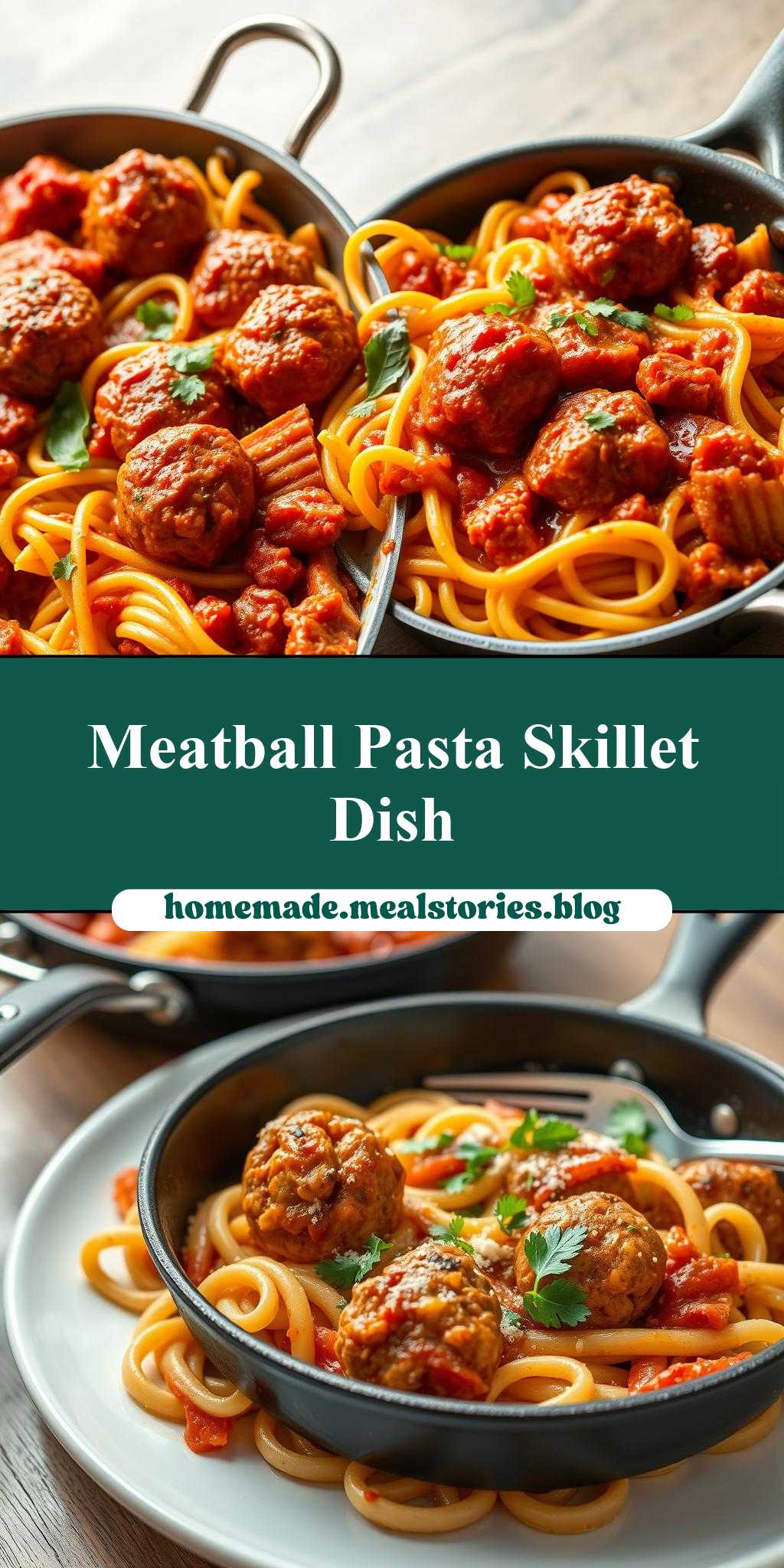
What’s the secret to a perfectly satisfying weeknight dinner? It starts with homemade pasta and meatballs, cooked to perfection in a skillet with tender ground beef and rich tomato sauce. Save this easy family favorite for a quick meal solution. Try it soon
two skillets filled with pasta and meatballs
Introduction
Imagine a hearty, satisfying meal that combines the comfort of pasta with the richness of homemade meatballs, all prepared in not one, but two skillets. This recipe for two skillets filled with pasta and meatballs is a masterclass in ease, flavor, and creativity, utilizing everyday ingredients to create a dish that’s as impressive as it is delicious. Whether you’re a seasoned chef or a beginner in the kitchen, this recipe is designed to guide you through a culinary experience that will leave you and your guests wanting more. From the initial prep to the final presentation, every step is carefully considered to ensure a dish that’s not only mouthwatering but also visually appealing.
Why This Works
- Flavor balance and ingredient accessibility: The combination of pasta, meatballs, and a carefully crafted sauce ensures a flavor profile that’s both balanced and accessible, using ingredients that are easily found in most supermarkets.
- Ease of preparation: Despite its impressive outcome, this recipe is surprisingly straightforward, with steps that are easy to follow and execute, making it perfect for weeknights or special occasions.
- Impressive results with minimal effort: The use of two skillets allows for a simultaneous preparation of the pasta and the meatballs, streamlining the cooking process and ensuring that every component of the dish is ready at the same time, with minimal fuss.
Key Ingredients
The foundation of this recipe lies in its key ingredients: pasta of your choice (though shorter shapes like penne or rigatoni work best), homemade meatballs made from ground beef, pork, or a combination of the two, mixed with breadcrumbs, egg, and seasonings, and a rich tomato sauce that’s enhanced with onions, garlic, and herbs. Practical substitutions can be made for dietary restrictions, such as using gluten-free pasta or vegetarian meatball alternatives. The sauce can also be tweaked with different types of tomatoes or the addition of other vegetables for added depth of flavor.
Instructions
- Step 1: Begin by prepping your ingredients. This includes chopping the onions and garlic for the sauce, measuring out the breadcrumbs and egg for the meatballs, and slicing any additional vegetables you might be adding. For the pasta, ensure you have enough salt for the boiling water.
- Step 2: Cook your pasta according to the package instructions in one skillet, and in the other, start building your sauce by sautéing the onions and garlic in olive oil until they’re softened and fragrant. Then, add in your canned tomatoes, herbs, and any additional seasonings, letting it simmer while you prepare the meatballs.
- Step 3: Mix your meatball ingredients together, being careful not to overmix, and then form them into balls. You can either bake these in the oven or fry them in a bit of oil in the skillet with the sauce, turning them occasionally to ensure they’re cooked through and browned on all sides.
- Step 4: Once your pasta is al dente, drain it and add it to the skillet with the sauce and meatballs. Toss everything together to combine, ensuring the pasta is well coated with the sauce and the meatballs are distributed evenly. Serve hot, garnished with parsley or parmesan cheese for added flavor and visual appeal.
Handy Tips
- When making the meatballs, use a light touch to avoid compacting the meat too much, which can make the meatballs dense. Also, don’t overcook the pasta; al dente texture provides the best base for the sauce and meatballs.
- For the sauce, using high-quality canned tomatoes can make a significant difference in flavor. Additionally, letting the sauce simmer for at least 20 minutes allows the flavors to meld together beautifully.
- Consider making the meatballs and sauce ahead of time and refrigerating or freezing them for later use. This can significantly reduce the overall preparation time when you’re ready to cook the pasta and assemble the dish.
Heat Control
Heat control is crucial in this recipe, especially when cooking the pasta and the meatballs. For the pasta, a rolling boil is necessary to cook it evenly, while the sauce and meatballs benefit from a simmer, which helps to thicken the sauce and cook the meatballs through without burning them. When cooking the meatballs, a medium heat is ideal for browning them without overcooking the exterior before the interior is fully cooked.
Crunch Factor
The texture of this dish is a highlight, with the tender pasta, rich sauce, and the crunch of the browned meatballs providing a satisfying bite. To enhance the crunch factor, consider adding some toasted breadcrumbs or grated parmesan cheese on top of the dish before serving. This adds not only texture but also an extra layer of flavor.
Pro Kitchen Tricks
- One of the best tricks for this recipe is to use the cooking liquid from the pasta to thin out the sauce if it becomes too thick. This not only saves water but also adds more starch and flavor to the sauce.
- For easier cleanup, prepare all your ingredients and tools before starting to cook. This includes having your utensils, pots, and ingredients measured and ready to go, which can streamline the cooking process and reduce mess.
- Investing in a good quality skillet that distributes heat evenly can make a significant difference in the outcome of both the pasta and the meatballs. It ensures that the meatballs are browned consistently and the sauce cooks without hot spots.
Storage Tips
- The best way to store leftovers of this dish is to cool it down to room temperature and then refrigerate or freeze it. For refrigeration, use airtight containers and consume within 3 days. For freezing, consider portioning the dish into individual servings before freezing for easier reheating.
- When reheating, add a bit of water or tomato sauce to prevent the pasta from drying out. You can reheat it in the microwave or on the stovetop, stirring occasionally until the dish is hot and the sauce is bubbly.
- Shelf life for this dish, when properly stored, is 3 days in the refrigerator and up to 3 months in the freezer. Always check the dish for any signs of spoilage before consuming, such as off smells or slimy texture.
Gift Packaging Ideas
If you’re considering gifting this dish, perhaps for a potluck or as a care package, there are several creative ways to package it. Individual portions can be placed in microwave-safe containers, topped with a layer of melted mozzarella cheese and fresh basil, and then wrapped in a decorative paper or bag. For a more rustic presentation, consider using mason jars filled with the pasta and meatballs, topped with a sprinkle of parmesan cheese and a few fresh herbs, sealed and ribboned for a charming touch.
Flavor Variations
- Different spices: Experiment with various spice blends to give your meatballs a unique flavor. Italian seasoning, smoked paprika, or even a bit of cayenne pepper can add interesting dimensions to the dish.
- Creative toppings: In addition to the classic parmesan cheese and parsley, consider other toppings like diced onions, sour cream, or even a fried egg to add richness and texture.
- Ingredient swaps: For a vegetarian version, swap the meatballs with roasted eggplant or zucchini balls. You can also use different types of pasta or add other vegetables to the sauce for added nutrition and flavor.
Troubleshooting
- Texture problems: If your pasta is overcooked, it can become mushy. To prevent this, check the pasta frequently during the last minutes of cooking. For meatballs that are too dense, try not to overmix the meat mixture, and ensure they’re not overcrowded in the skillet.
- Ingredient replacements: If you’re missing an ingredient, don’t hesitate to substitute. For example, if you don’t have breadcrumbs, you can use grated carrots or zucchini as a binder in your meatballs.
- Over/undercooking signs: Keep an eye on your meatballs; if they’re overcooked, they’ll be dry and hard. Undercooked meatballs will be soft and pink in the center. Adjust your cooking time based on the size of your meatballs and the heat of your skillet.
FAQs
- Can I freeze it? Yes, this dish freezes well. Cool it down, then portion it into airtight containers or freezer bags, and store in the freezer for up to 3 months.
- Is it gluten-free? It can be made gluten-free by using gluten-free pasta and ensuring that the breadcrumbs used in the meatballs are gluten-free.
- Can I double the recipe? Absolutely, this recipe can be easily doubled or even tripled. Just ensure you have enough skillets or cooking vessels to accommodate the increased quantity of pasta and meatballs.
Conclusion
This recipe for two skillets filled with pasta and meatballs is a testament to the joy of cooking: a simple, satisfying meal that can be customized to your tastes and preferences. Whether you’re cooking for one or for a crowd, the versatility and heartiness of this dish make it a perfect choice for any occasion. Don’t be afraid to experiment and make it your own, and remember, the most important ingredient in any recipe is the love and care you put into preparing it. So go ahead, gather your ingredients, and start cooking – your taste buds, and those of your loved ones, will thank you.
two skillets filled with pasta and meatballs
A hearty, satisfying meal combining pasta with homemade meatballs, all prepared in two skillets for ease and flavor.
🥘 Ingredients
👩🍳 Instructions
-
1Cook pasta in one skillet according to package instructions.
-
2In the other skillet, sauté chopped onion and minced garlic in olive oil until softened.
-
3Add crushed tomatoes, salt, and pepper to the skillet with the onion and garlic. Simmer while preparing the meatballs.
-
4Mix ground beef, breadcrumbs, egg, salt, and pepper in a bowl. Form into balls and cook in the skillet with the sauce until browned and cooked through.
-
5Combine cooked pasta, meatballs, and sauce. Serve hot, garnished with parsley or parmesan cheese.